Breast Cancer | cancer screening | Medical News | Oncology (cancer)

The 2010 Swedish Mammography Report, and the Press

The Swedish study with its pos­itive findings should be scru­ti­nized, yes, but no more or less than the other papers on the same subject that have been high­lighted, selec­tively, in the media. How jour­nalists cover mam­mog­raphy studies, and that they do so with an open mind, matters a lot.

See more Notes on the 2010 Swedish Mam­mog­raphy Report, and the Press

Breast Cancer | cancer screening | Diagnosis | Oncology (cancer) | Women's Health

Why It's So Hard to Assess False Positives, and How We Might Reduce Them

Maybe, one good appli­cation of Telemed­icine would be in the sharing of digital mam­mog­raphy images, so that any woman’s breast films could be checked by a radi­ol­ogist who works at a cancer imaging center and spe­cializes in breast imaging.…there’s every reason to think that the inci­dence of false pos­i­tives in screening mam­mo­grams is going down and will drop further…

See more Why It’s So Hard to Assess False Pos­i­tives, and How We Might Reduce Them

Breast Cancer | cancer screening | health care costs | health care delivery | Medical Ethics | Oncology (cancer) | Policy

It's Not About the Money

If physi­cians’ potential profit motives cloud the mam­mog­raphy debate, as the authors contend, that doesn’t mean that mam­mog­raphy is inef­fective. Rather it sig­nifies that doctors and sci­en­tists should analyze data and make clinical deci­sions in the absence of financial or other con­flicts of interest.

See more It’s Not About the Money

Future of Medicine | health care costs | health care delivery | Medical Ethics | Policy | Public Health

News on Comparative Effectiveness Research

What is com­par­ative effec­tiveness research and why does it matter? The idea, basi­cally, is to inform medical deci­sions with rel­evant data derived from well-​​designed clinical trials. This sort of research will provide the foun­dation for evidence-​​based med­icine (EBM).

See more News, and Thoughts, on Com­par­ative Effec­tiveness Research

Breast Cancer | cancer awareness | cancer screening | cancer survival | Diagnosis | Medical News | Oncology (cancer)

What's Missing in the Recent Mammography Value Study

I’d say the oppo­site is true: It’s pre­cisely because there are effec­tive treat­ments for early-​​stage dis­ease that it’s worth find­ing breast can­cer early. Oth­er­wise, what would be the point? Metasta­tic breast can­cer is quite costly to treat and, even with some avail­able tar­geted ther­a­pies, remains

See more What’s Missing in the Recent Mam­mog­raphy Value Study

Breast Cancer | cancer awareness | cancer screening | clinical trials | health care costs | Medical News | Oncology (cancer)

Stepping Back, and Thinking Forward to October

A question central to today’s dis­cussion – which does at least acknowledge the decline in breast cancer mor­tality – is the extent to which mam­mog­raphy is respon­sible for this trend, as opposed to other factors such as increased awareness about cancer, better cancer treat­ments and other variables.

See more Stepping Back, and Thinking Forward to October

Communication | Future of Medicine | health care costs | health care delivery | Health IT | Policy | Public Health

No More Clipboards

“This caught my interest because it doesn’t diminish physi­cians’ autonomy,” Blu­menthal said. It just enables them to make deci­sions for their patients in the context of addi­tional, current infor­mation. “The end goal is not to adopt tech­nology, but to improve care.“

See more No More Clipboards

Magazine | Neurology

Notes on Oliver Sacks, on Prosopagnosia

Unabashedly, Sacks details his own mishaps in rec­og­nizing people he’s met and finding his way; it’s a life-​​long, inherited affliction that requires he remember indi­viduals by things other than

See more Notes on Oliver Sacks, on Prosopagnosia

Medical Ethics | Social Media

Hot Topics: This Week’s Med-Blog Rounds at Bedside Manner

It’s not too late to visit this week’s med-​​blog Grand Rounds posted yes­terday at Bedside Manner. The theme is medical communication

See more Hot Topics: This Week’s Med-​​​​Blog Rounds at Bedside Manner

Future of Medicine | health care costs | Life as a Doctor | Physical Examination

Big Implications of Blog-​​Bickering About What Doctors Should Be Doing

So while this little debate might seem minor and tech­nical, reflecting some pet­tiness and dis­tinct per­son­al­ities among the various physician-​​bloggers, it bears on a serious issue for med­icine, which is not so easily resolved: what are the tasks that we really want doctors to do, and not to del­egate. This dis­cussion relates to a recent edi­torial in the New York Times on whether we really need physi­cians to admin­ister anesthesia…It bears also on simpler matters — whether doctors should spend time calling patients them­selves about routine test results, adjust coumadin and other drug doses …

See more Big Impli­ca­tions of Blog-​​​​Bickering About What Doctors Should Be Doing

Annals of Pink | Breast Cancer | cancer awareness | cancer survival | Life as a Patient | Life in NYC

A Walk, or Race, for the Cure

“You can get dis­com­boob­u­lated in this place,” a NYC police officer told me today. This morning, some 25,000 or so men, women and children con­verged on Central Park for the Susan G. Komen Foundation’s 20th annual Race for the Cure. It was my first time wit­nessing the event:

See more A Walk, or Race, for the Cure

Diagnosis | Hematology (blood) | Medical News | Under the Radar

Perspective on Screening for Sickle Cell Trait in Student Athletes

sickle cell mutation,

In some ways this seems like a pro-​​active, well-​​intentioned policy that could save lives. On the other hand, as dis­cussed in the NEJM piece, the new screening policy raises a host of chal­lenging issues: * how will col­leges inform minor players’ parents about results? * how will the schools handle players’ privacy?…

See more Per­spective on Screening for Sickle Cell Trait in Student Athletes

Communication | Social Media

Late-Season Play for this Week's Med-Blog Grand Rounds

Attention readers: this week’s Grand Rounds is up at Musings of a Dinosaur. The tra­di­tional doctor “Dino” pitches the medical col­lection in a ter­rific late-​​​​season baseball theme.

Somehow, in this fantasy game, Medical Lessons facil­i­tates a base hit! The rest of the story’s even better.

Please do check it out: Take Me Out to the Ballgame.

Related Posts:Weds Web Shoutout: A Cardiologist’s Blog on Heart Health, Doc­toring and Fit­nessA Website About Illness In Celebrities and Other Public Fig­uresWednesday Web and Shoutout: Flashfree Moves to a New SiteThis Week’s Grand Rounds Comes with an Inter­na­tional Beach TourSome Notes after Grand Rounds, and Ques­tions for Medical Blogs and the Internet

history | Travel | Women's Health

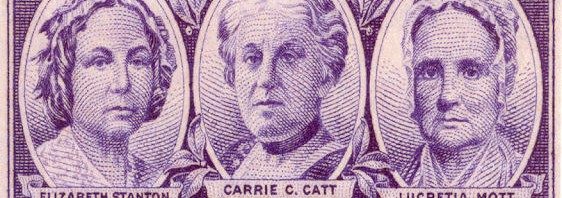
A Visit to Suffragette City

Women's History Postage Stamp

For two days I’ve been trav­eling on a short road-​​trip with my family in Upstate New York. As far as this turning to a medical lesson, all I can say is that for the first time in my life I wit­nessed, first-​​hand, the vaguely digital, elongate and eponymous geog­raphy of the fine Finger Lakes…

See more A Visit to Suf­fragette City

Communication | Health IT | Life as a Doctor | Medical Ethics | Privacy | Social Media

Why Physicians Shouldn’t Tweet About Their Patients Or O.R. Cases

As a patient who’s been there, under anes­thesia more times than I care to remember, I can’t imagine any­thing much worse than knowing while I’m uncon­scious my doctor might be on-​​line or even just dic­tating tweets instead of con­cen­trating on me, my arteries and veins and spine and…

See more Why Physi­cians Shouldn’t Tweet About Their Patients Or O.R. Cases

Communication | Empowered Patient | Neurology | Patient Autonomy | Patient-Doctor Relationship | Social Media

On Patient Empowerment and Autonomy

…I think the answer is inherent in the goal of being engaged, and that has to do with the concept of patient autonomy – what’s essen­tially the capacity of a person to live and make deci­sions according to one’s own set of knowledge, goals and values. Autonomy in med­icine, which borders on the empow­erment idea, can be an aim in itself, and therefore valuable regardless of any mea­sured outcome.

See more On Patient Empow­erment and Autonomy

Homemaking | Infectious Disease | Medical News

Cooking With Universal Precautions

biosafety-symbol

… this egg story reminds me of a gradual change in how we prac­ticed med­icine in the years after the start of the AIDS epi­demic. In 1983, when I entered medical school, few doctors wore gloves except when they were per­forming surgery…A few years later, when I was a res­ident physician and pregnant fellow, the concept of uni­versal pre­cau­tions came into wide­spread practice. Doctors and nurses learned – had to be instructed — to don gloves whenever they drew blood or poten­tially came into contact with any patient’s body fluids because, the idea emerged, anyone might have …

See more Cooking With Uni­versal Precautions

Empowered Patient | health care costs | health care delivery | Ideas | Life as a Patient | Patient-Doctor Relationship | Physical Examination

Eye Care

eyeglasses on a table (Wikimedia Commons)

…the office has expanded and become so sys­tem­atized that when I go there I don’t feel like I’m vis­iting a doctor, the kind of pro­fes­sional who sin­cerely cares about my health. Instead I feel like a com­modity, which I suppose I am.

See more Eye Care

Breast Cancer | cancer treatment | Communication | Medical News | Patient Autonomy | Plastic and Reconstructive Surgery

New NY State Law on Information for Women Undergoing Mastectomy

The reality is that many women, par­tic­u­larly poor women without news­papers or internet access in their homes, don’t know about any of this. They don’t know their insurance covers pretty much all of these options, by law. Now they will, or should as of Jan 1, 2011. Good. The other curiosity is that …

See more New NY State Law on Infor­mation for Women Under­going Mastectomy

cancer awareness | Communication | Informed Consent | Oncology (cancer) | Patient Autonomy | TV | Women's Health

First Take On the Big C

Laura Linney as Cathy in The Big C

The Big C’s plot includes at least two “atypical” and poten­tially complex fea­tures. First, Cathy chooses not to take chemotherapy or other treatment. This intrigues me, and may be the show’s most essential com­ponent – that she doesn’t just follow her doctor’s advice. Second, she doesn’t go ahead and inform her husband, brother or son about the con­dition, at least not so far…

See more First Take On the Big C

Get Adobe Flash player